
Viewing 55 - 60 out of 99
Patient Education

Infections & Infestations
Shingles (Herpes Zoster)
Shingles is a rash caused by the reactivation of the chickenpox virus (also known as the varicella zoster virus or VZV). Classically, the rash affects only one side of the body, within a single stripe or band known as a dermatome. There may be a prodrome consisting of pain, itching, or tingling localized

Skin Growths
Seborrheic Keratoses
Seborrheic keratoses are very common skin growths that tend to develop with age. They are benign and not worrisome. These growths are commonly found on the head, neck, chest, or back, though they can appear anywhere on the body with the exception of the palms and soles. Seborrheic keratoses can be white,
Skin Growths
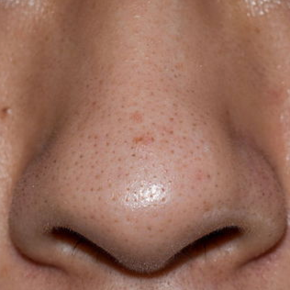
Sebaceous Hyperplasia
Sebaceous hyperplasia are benign, non-worrisome, enlarged oil gland growths. They present as pinkish orange or yellow papules, sometimes with a central dell, most commonly found on the central face of middle aged or older people. Sebaceous hyperplasia can also be found on the chest, areola, mouth, or

Skin Conditions
Sarcoidosis
Sarcoidosis is an inflammatory condition where the immune system goes into overdrive, creating clusters of inflamed tissue called granulomas to form in different parts of the body. Though it can affect many organ systems such as the skin, eyes, heart, and nervous system, involvement of the lungs and
Skin Conditions
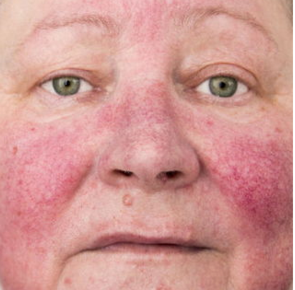
Rosacea
Rosacea is a common skin condition which presents with redness of the face, small visible blood vessels on the nose and cheeks, and pimple-like breakouts. Rosacea can also affect the eyes (ocular rosacea) presenting with symptoms such as dryness, redness, burning, and itching of the eyes. Rosacea most
Skin Growths
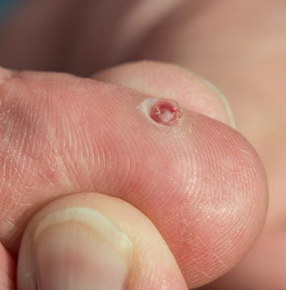
Pyogenic Granuloma
Pyogenic granulomas are benign vascular growths that grow rapidly and frequently present as raised, red lesions that bleed with minor trauma. These lesions are most commonly found on the face or fingers, but can also develop on other parts of the skin or oral mucosa (lips or gums). Children, teenagers,
HOURS OF OPERATION
Monday
08:00 am - 05:00 pm
Tuesday
08:00 am - 05:00 pm
Wednesday
08:00 am - 05:00 pm
Thuirsday
08:00 am - 05:00 pm
Friday
08:00 am - 05:00 pm
Weekend
Closed
HOURS OF OPERATION
Monday
08:00 am - 05:00 pm
Tuesday
08:00 am - 05:00 pm
Wednesday
08:00 am - 05:00 pm
Thursday
08:00 am - 05:00 pm
Friday
08:00 am - 05:00 pm
Weekend
Closed

